You Can Become a Member of Our Club
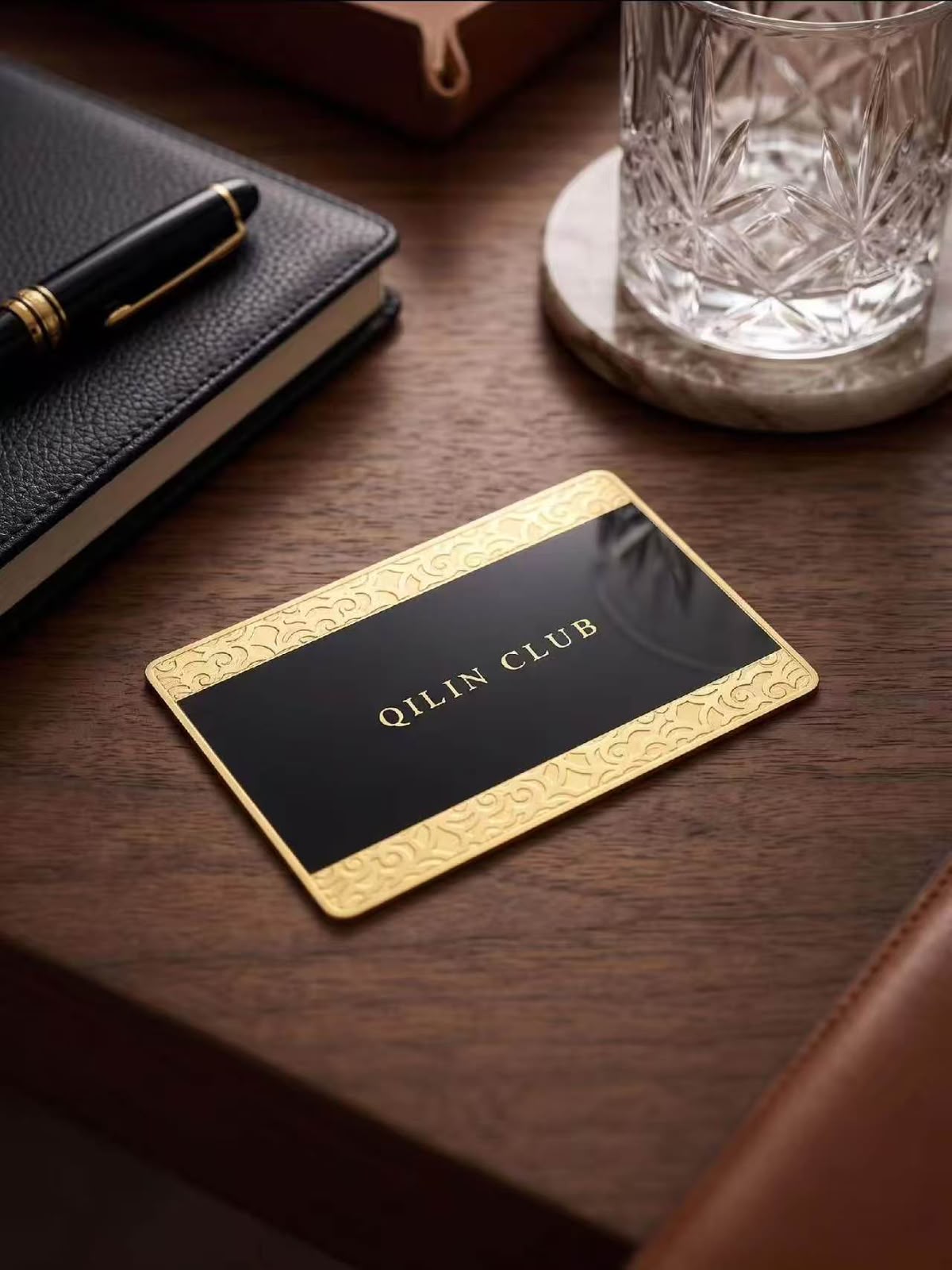
High-end services and exclusive privileges for VIP residents of the QiLin Tea House in Dubai
I. Benefits for Black Gold VIP Cardholders:
1. Tea House
- Access to a private tea room.
- Weekly special prices on products for residents.
- Invitations to regular tastings of new tea varieties released each quarter.
- Personalized tea sets and personalized tea leaf reserves.
- Services of a professional tea ceremony master for private sessions.
- Personalized sessions with a professional meditation master.
- Custom-made, health-promoting dishes made from Chinese oats.
- Access to special areas for meditation, tea ceremonies, and business meetings.
2. Traditional Chinese Medicine Center
- Development of personalized treatment plans by leading specialists.
- Priority access to the latest therapeutic methods.
- Four free diagnostic consultations per year with a Traditional Chinese Medicine physician.
- In-home medical care services.
3. Restaurant
- Private dining room reservations and customized menu planning.
- An exclusive opportunity to sample the chef’s signature homemade dishes.
- Participation in cultural and culinary events.
4. Additional Services
- Transfer services: picking up and escorting residents by car.
- Participation in exclusive, premium-class business events.
- Personalized gifts for club members for birthdays and holidays.
More
High-end services and exclusive perks for VIP members of the QiLin Tea House in Dubai
I. Benefits for Gold VIP Cardholders:
1. Tea House:
- Access to a private tea room.
- Weekly opportunity to purchase items at special member prices.
- Regular tasting events for new tea varieties released each quarter.
- Personalized tea sets and tea leaves.
- An invitation to a private demonstration by a professional tea ceremony master.
- An invitation to meditation sessions led by a professional meditation master.
- Customized Chinese oatmeal dishes for health.
- Special areas for meditation, tea tastings, and business meetings.
2. Traditional Chinese Medicine Center:
- Personalized treatment plans from specialized physicians.
- Priority access to new treatment programs.
- Four times a year, the opportunity to receive a medical evaluation from a traditional Chinese medicine doctor.
- In-home treatment service.
3. Restaurant:
- Private booths and personalized menus.
- The opportunity to sample the chef’s homemade dishes.
- Participation in cultural culinary exchanges.
4. Additional Services:
- Pickup and drop-off by car.
- Planning of high-end business events.
- Birthday and holiday gifts for members.


History
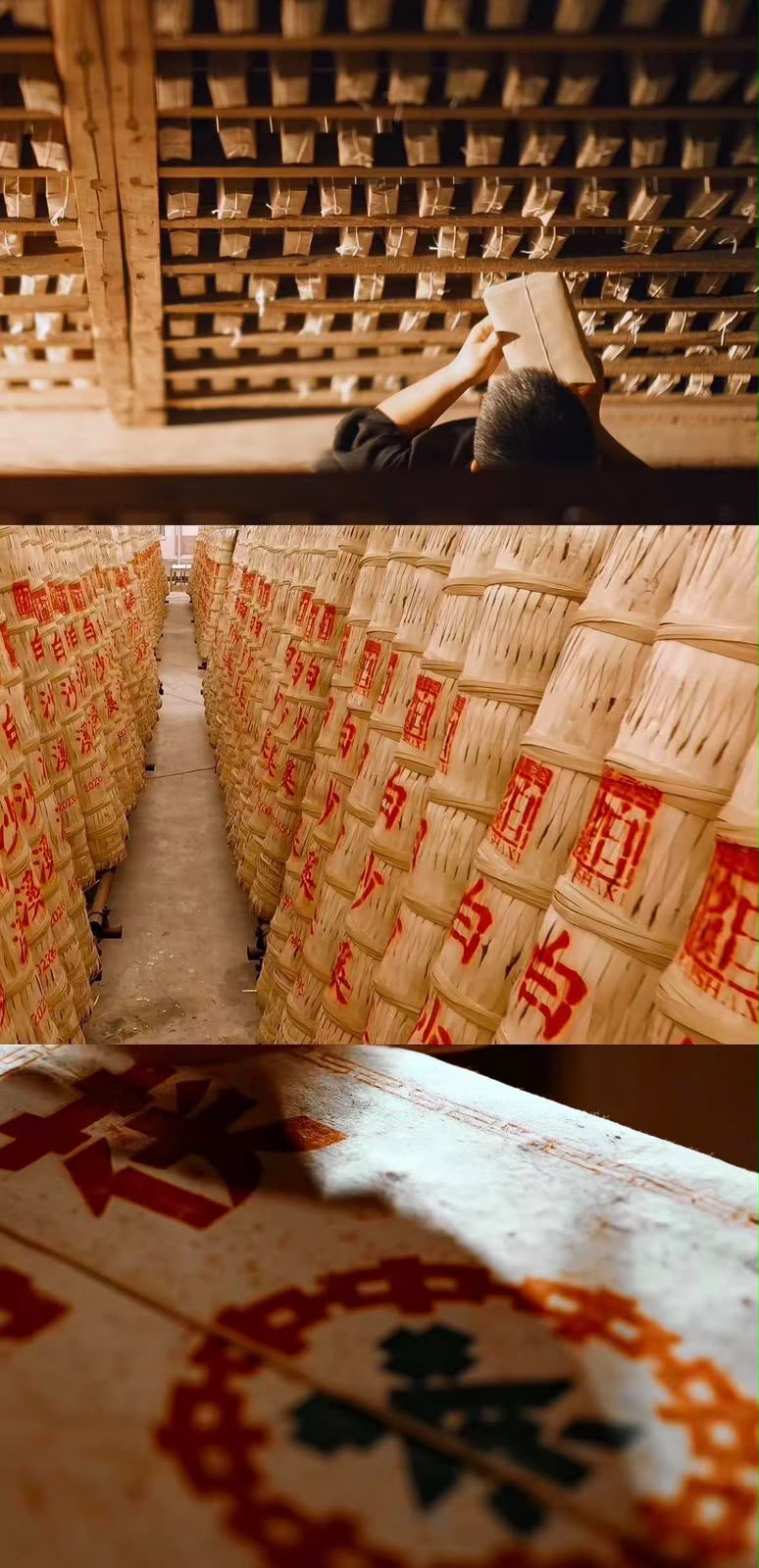
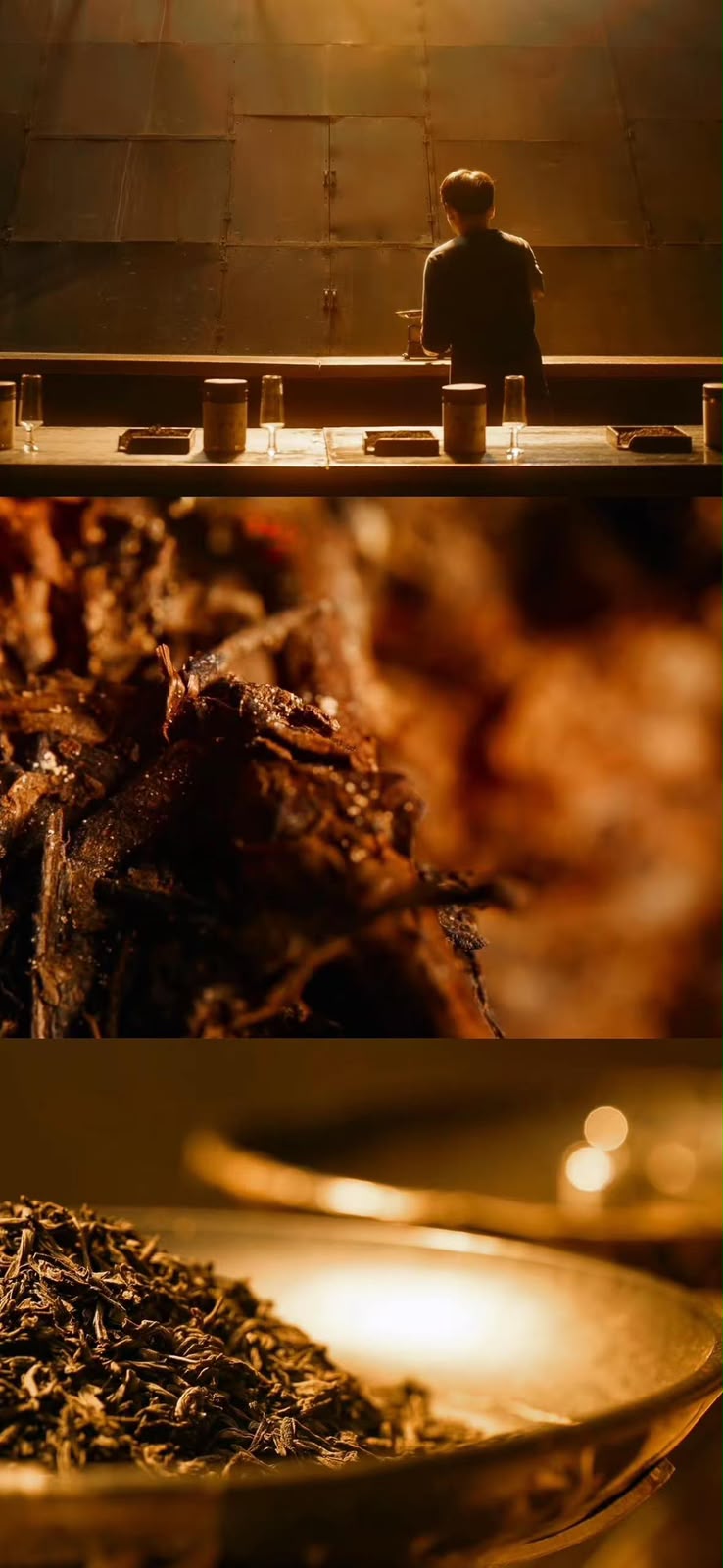
Tea is not only a national treasure of China, but also a global treasure. The 5,000-year history of tea reflects the Chinese people’s respect for nature and its gifts. Chinese tea culture is a millennia-old legacy accumulated by hundreds of generations. This ancient and traditional beverage embodies the profound essence of Chinese culture. It comes from nature and is imbued with its natural spirit. In the midst of a hectic life, you can often pick up a teapot and brew some tea to soothe your soul. In the taste of tea, you can find inner peace and, with wisdom and ease, weather the ups and downs of life.
The Geography of China's Tea Tradition
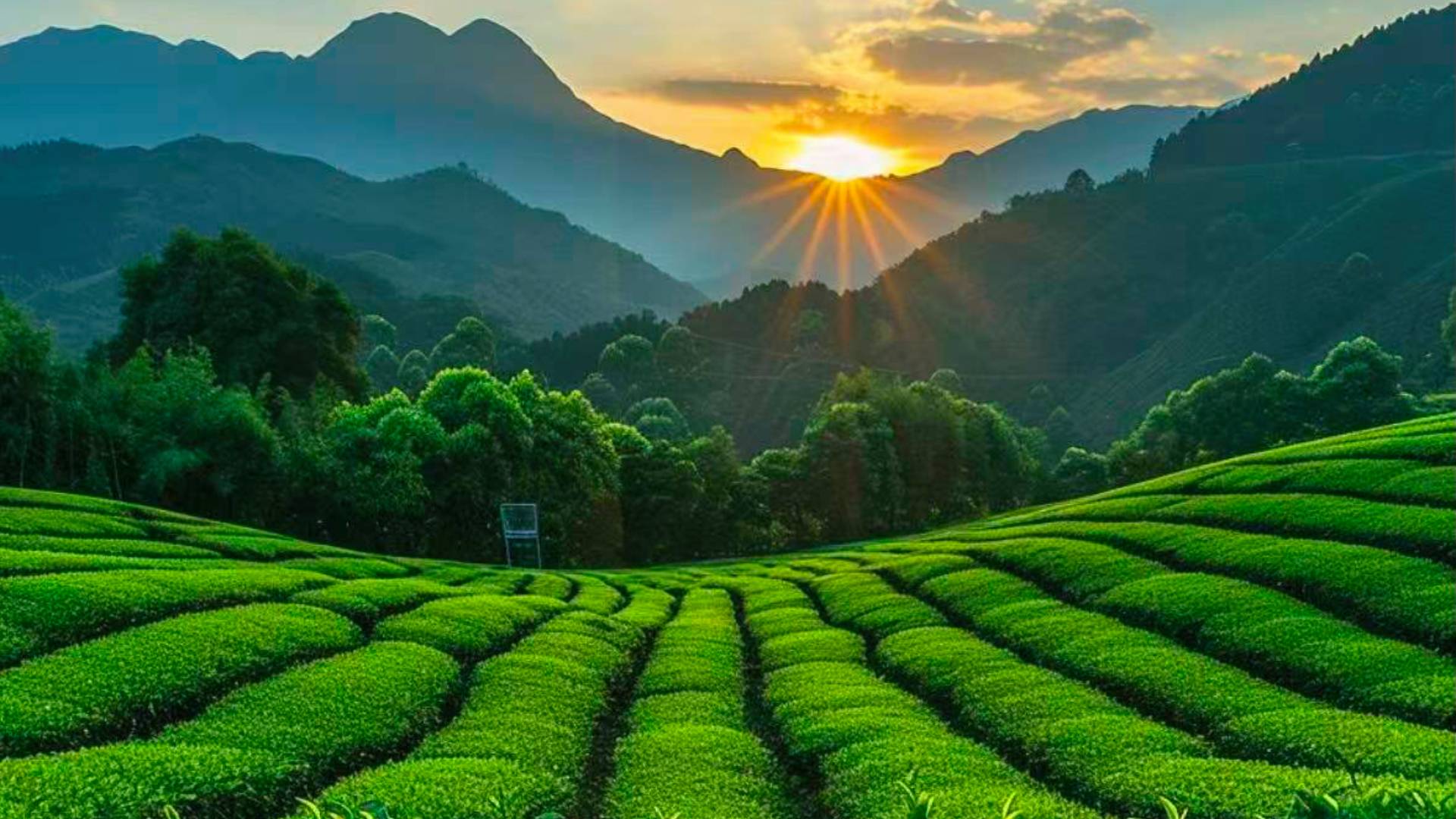
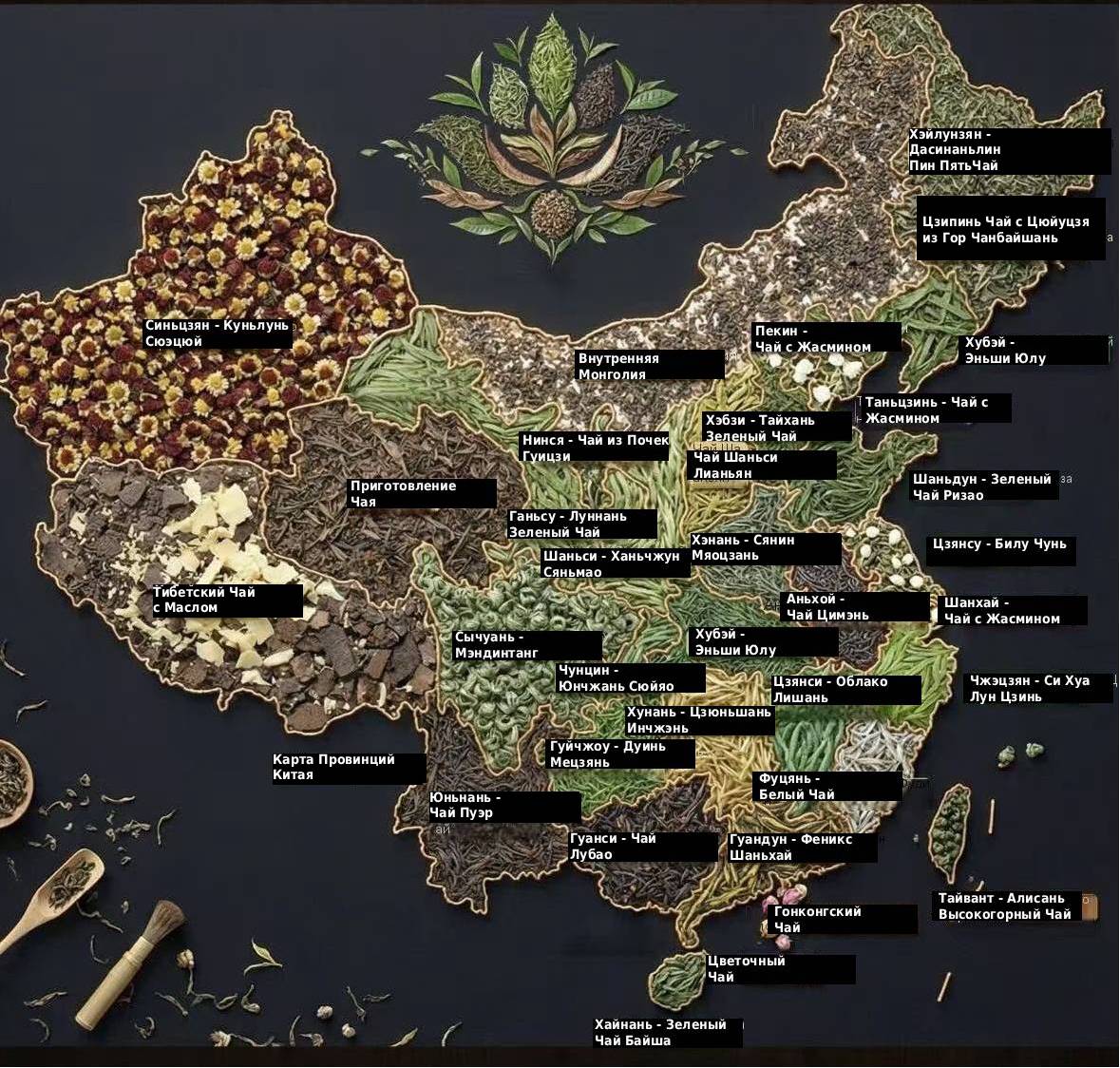
Chinese tea has become widely popular around the world, and there are thousands of varieties in China itself. Each type of tea is closely linked to geographical and climatic conditions, soil composition, and traditional production methods.
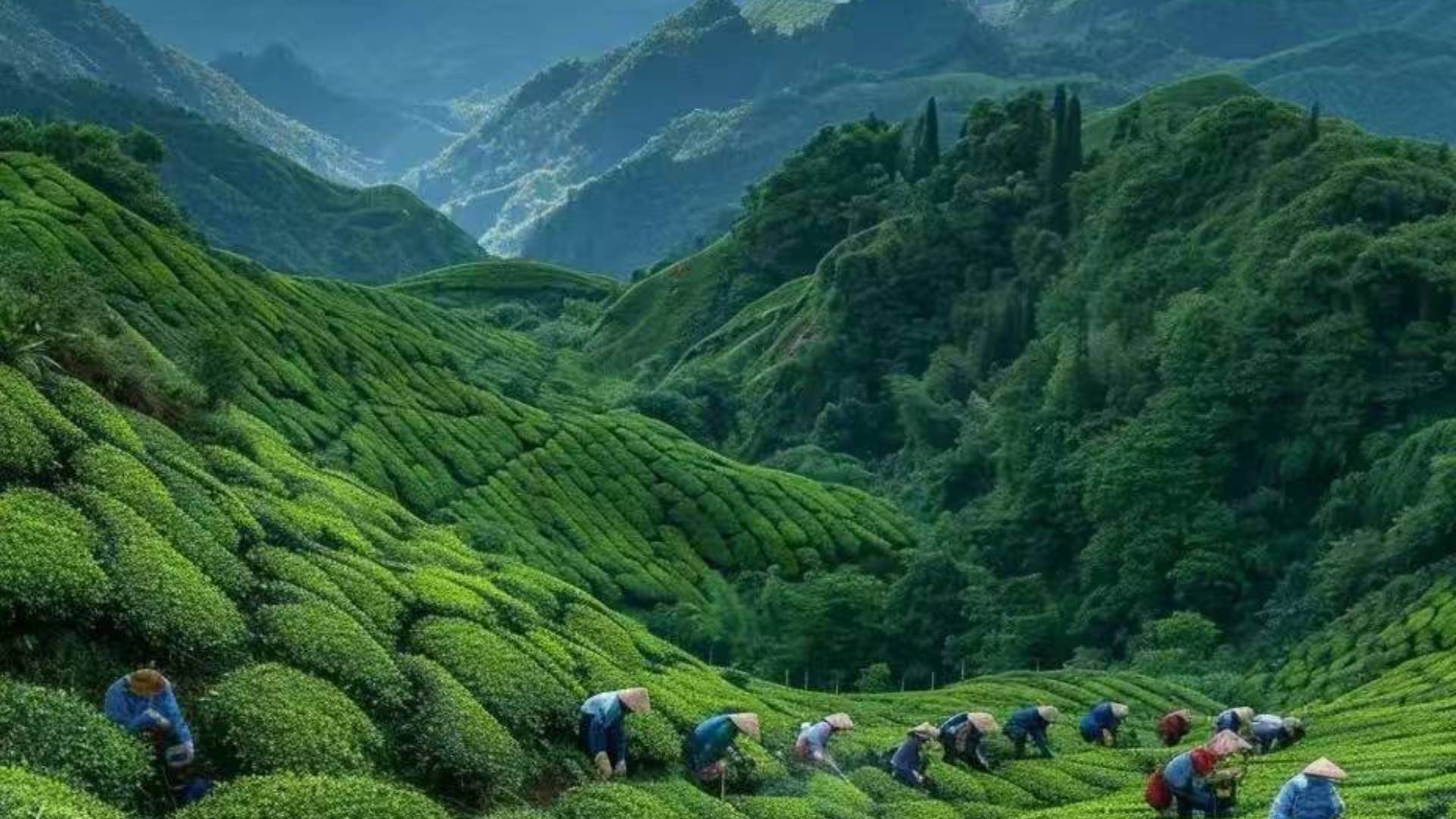
All tea varieties are unique and differ from one another. Tea plantations stretch from the gentle hills in the south of the country to the misty mountains in the southwest, from the southern regions where Oolong tea is produced to the northern territories along the Yangtze River, renowned for their green tea.
Various parts of China have gifted the world with distinctive tea varieties, each possessing its own unique properties and character:
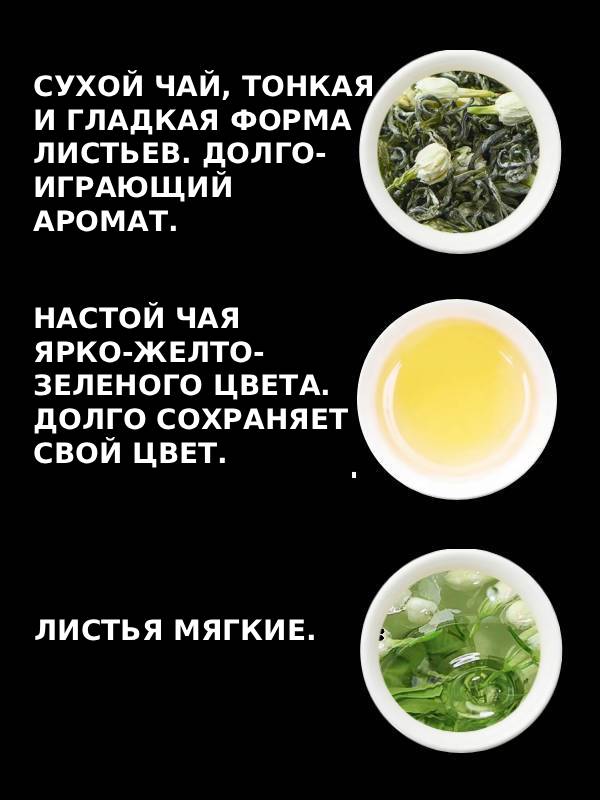
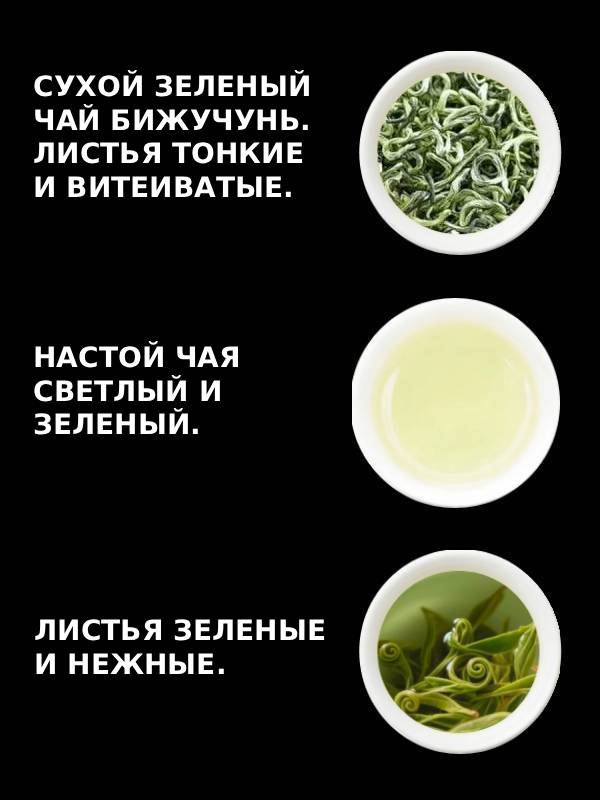
Southern China (green tea): Thanks to its humid climate and distinct four seasons, this region has become a true paradise for green tea production.
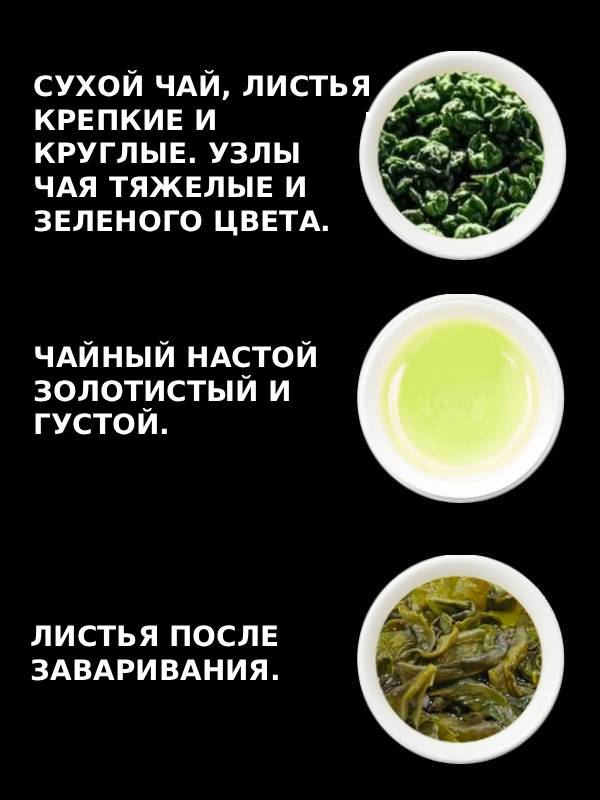
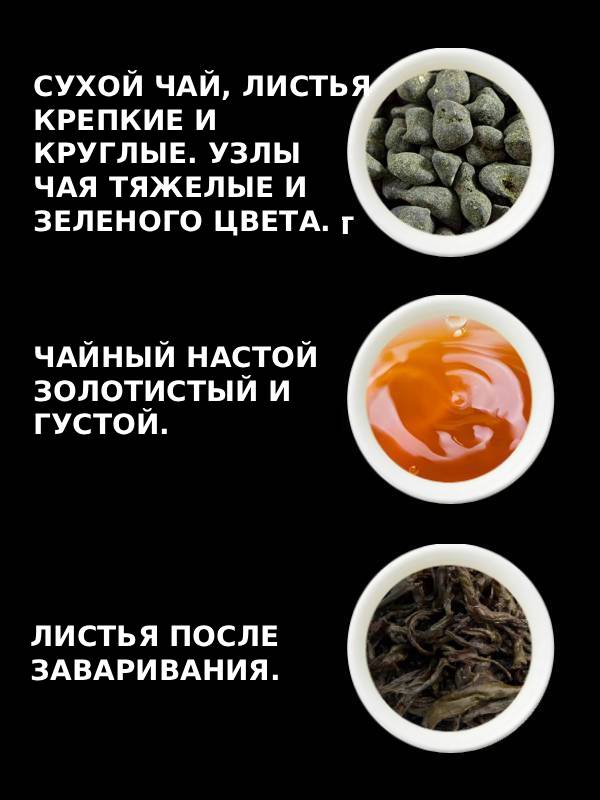
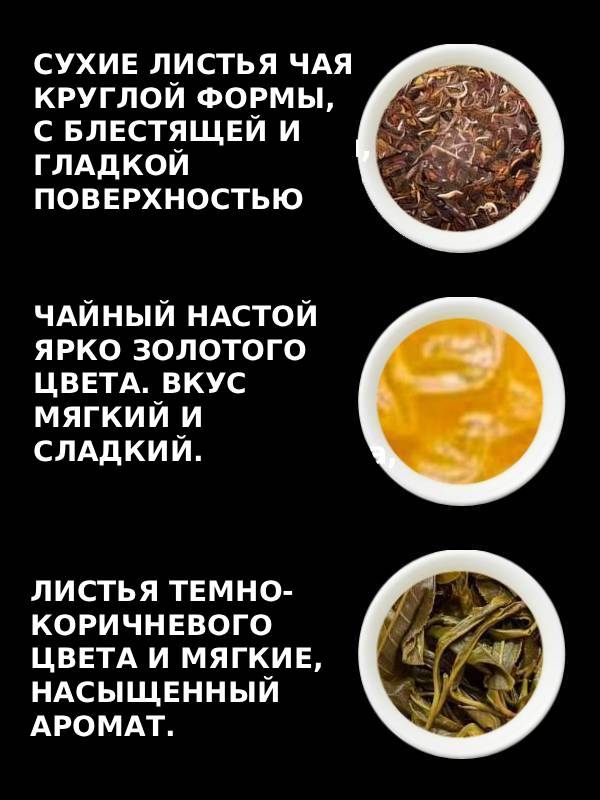
Oolong Tea Region: Abundant sunshine and rainfall have created ideal conditions for the cultivation of oolong teas, which are distinguished by a rich fruity and floral aroma (with notes of orchid), a golden, transparent infusion, and a smooth, fresh, and long-lasting aftertaste.
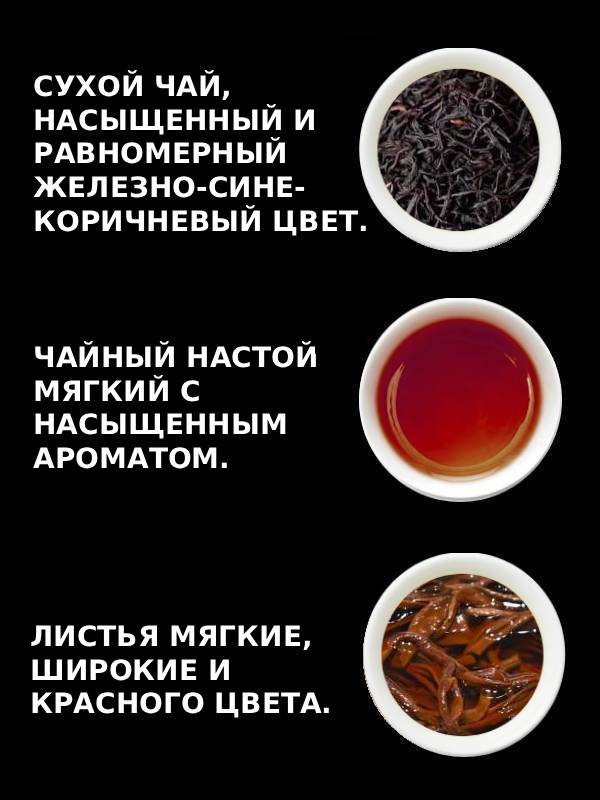
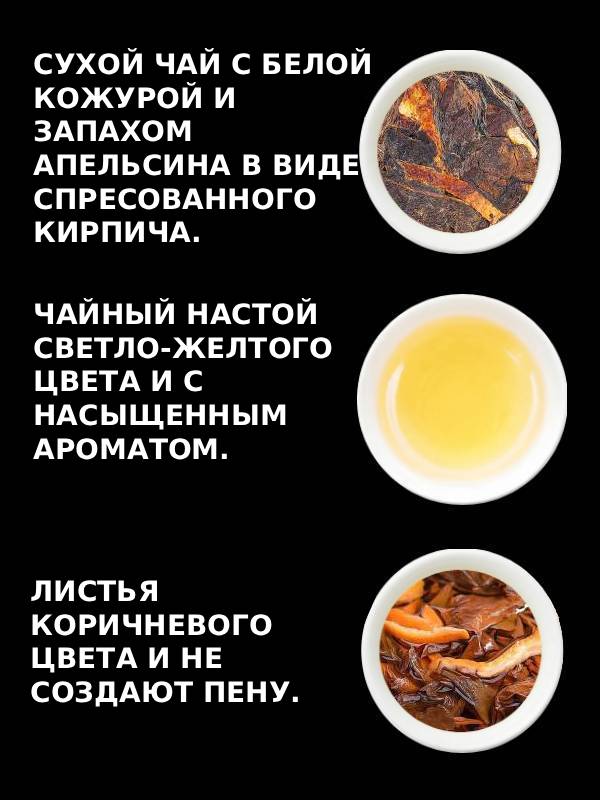
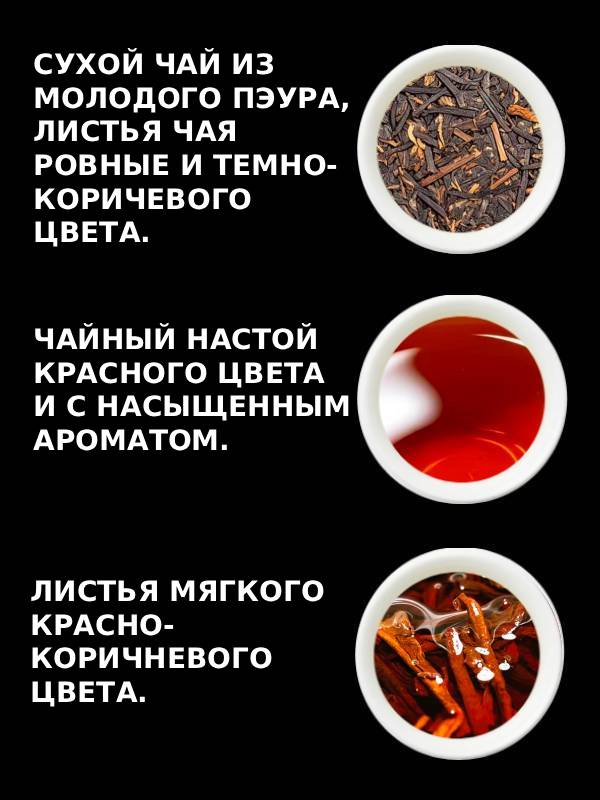
Southwestern Region (Pu-erh Tea): Picturesque mountains and pure springs, shrouded in clouds and mist, are the birthplace of the famous Pu-erh tea. The main characteristic of Pu-erh is that, over the years, its flavor only becomes richer and its aroma more intense. The tea infusion has a bright golden or deep reddish hue, conveying all the depth and flavor of time.
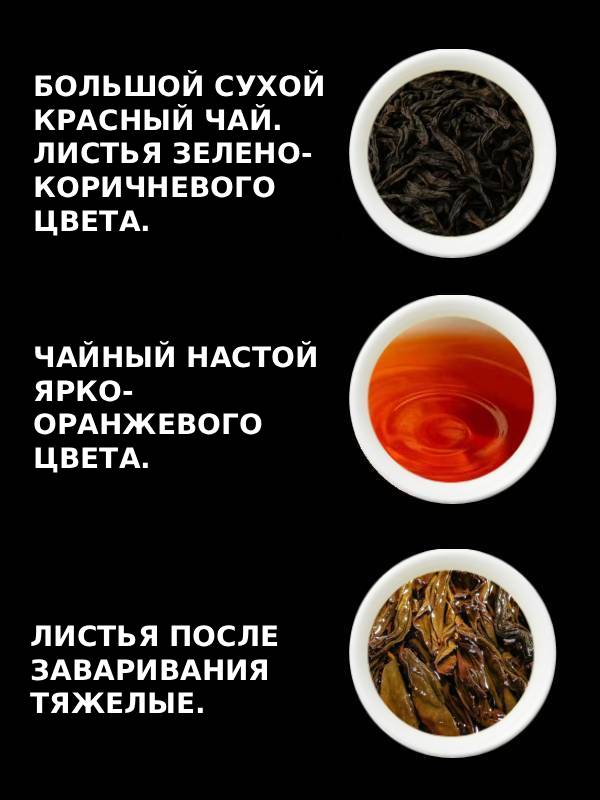
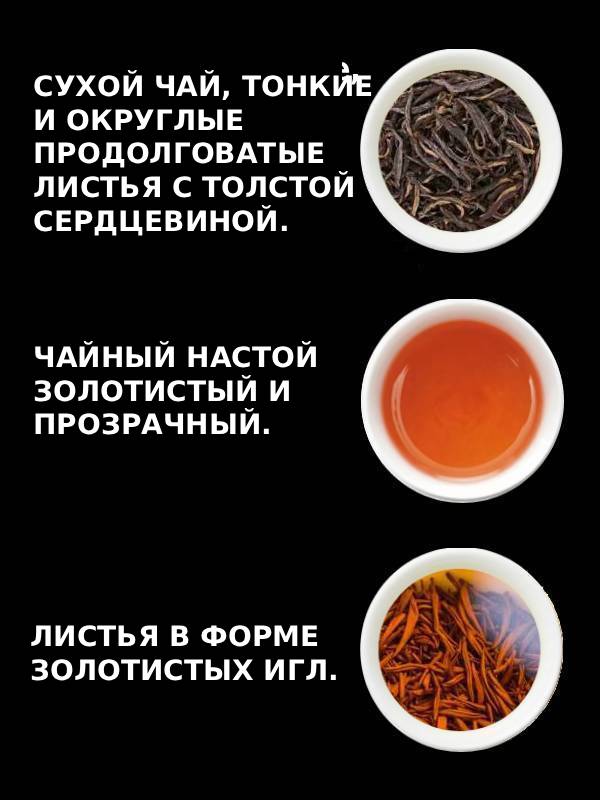
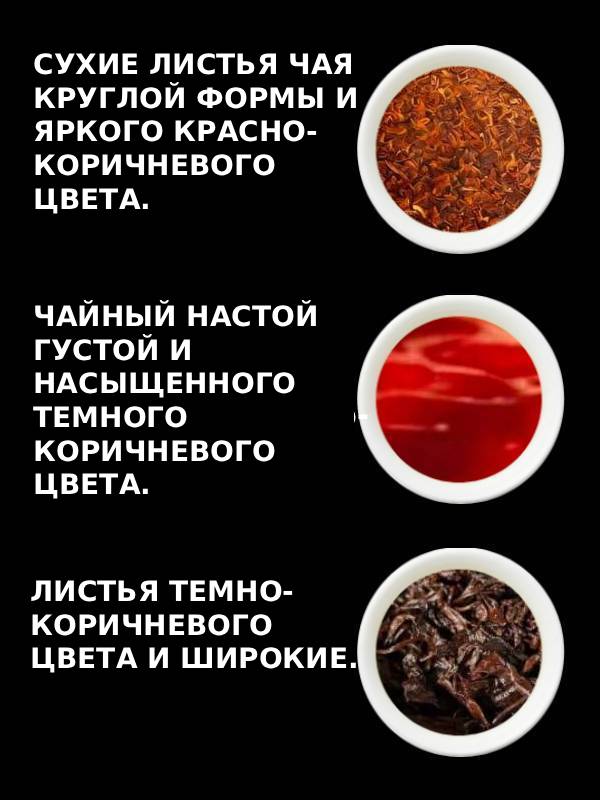
Jiangbei Northern Region (black tea): In a temperate climate with ample sunlight, this region produces excellent black tea. It is distinguished by a pleasant honey aroma, a beautiful reddish-amber infusion, a mellow flavor, and a long-lasting aftertaste.
The Evolution of Tea Culture
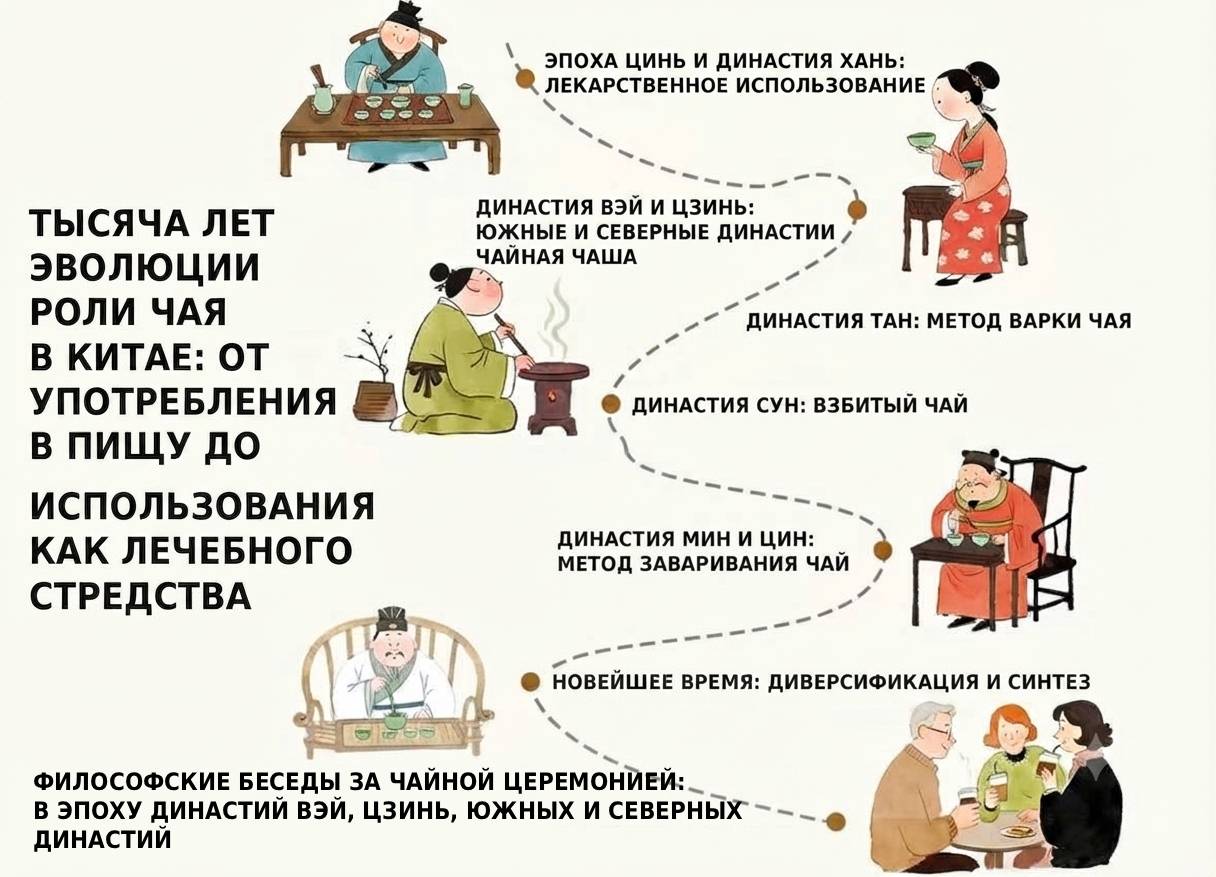
5,000 years ago: Shennong tasted various herbs and discovered that tea has detoxifying properties.
3,000 years ago: The cultivation of the tea plant began, and tea gradually came to be consumed as food.
2,300 years ago: Tea evolved from a food item into a medicinal remedy.
2,000 years ago: The commercialization of tea began.
1,500 years ago: To facilitate transportation, tea began to be pressed into cakes (bricks).
1,200 years ago: During the Tang Dynasty, tea culture flourished against the backdrop of an economic boom.
1,000 years ago: Tea preparation techniques were refined, and greater attention was paid to the quality of the water and the raw materials themselves.
700 years ago: Emperor Zhu Yuanzhang promoted the popularity of loose-leaf tea, which accelerated the development of the tea industry.
600 years ago: A technological breakthrough in production led to the emergence of new types of tea.
300 years ago: Chinese tea conquered the global market and took a leading position in it.
History
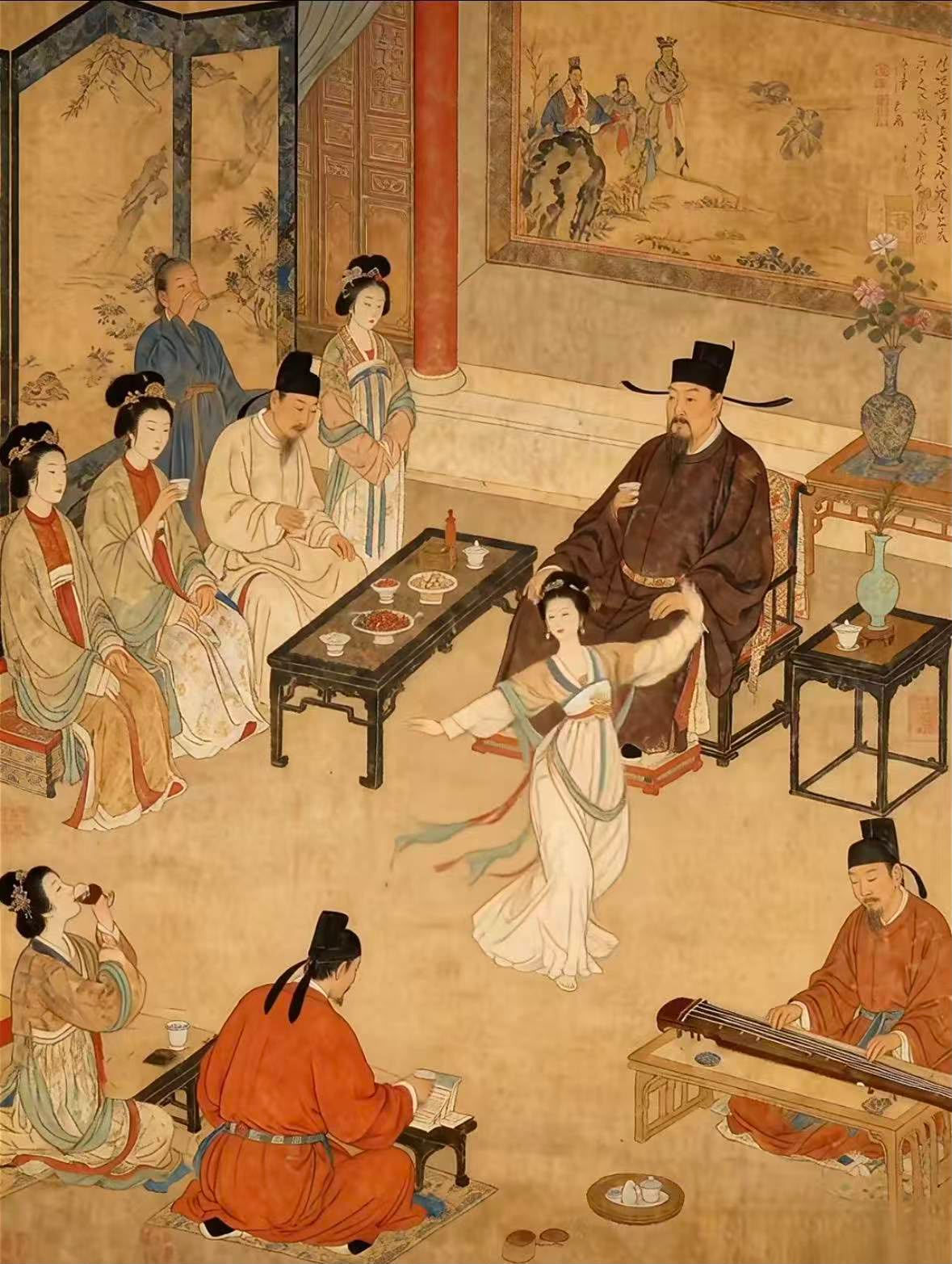
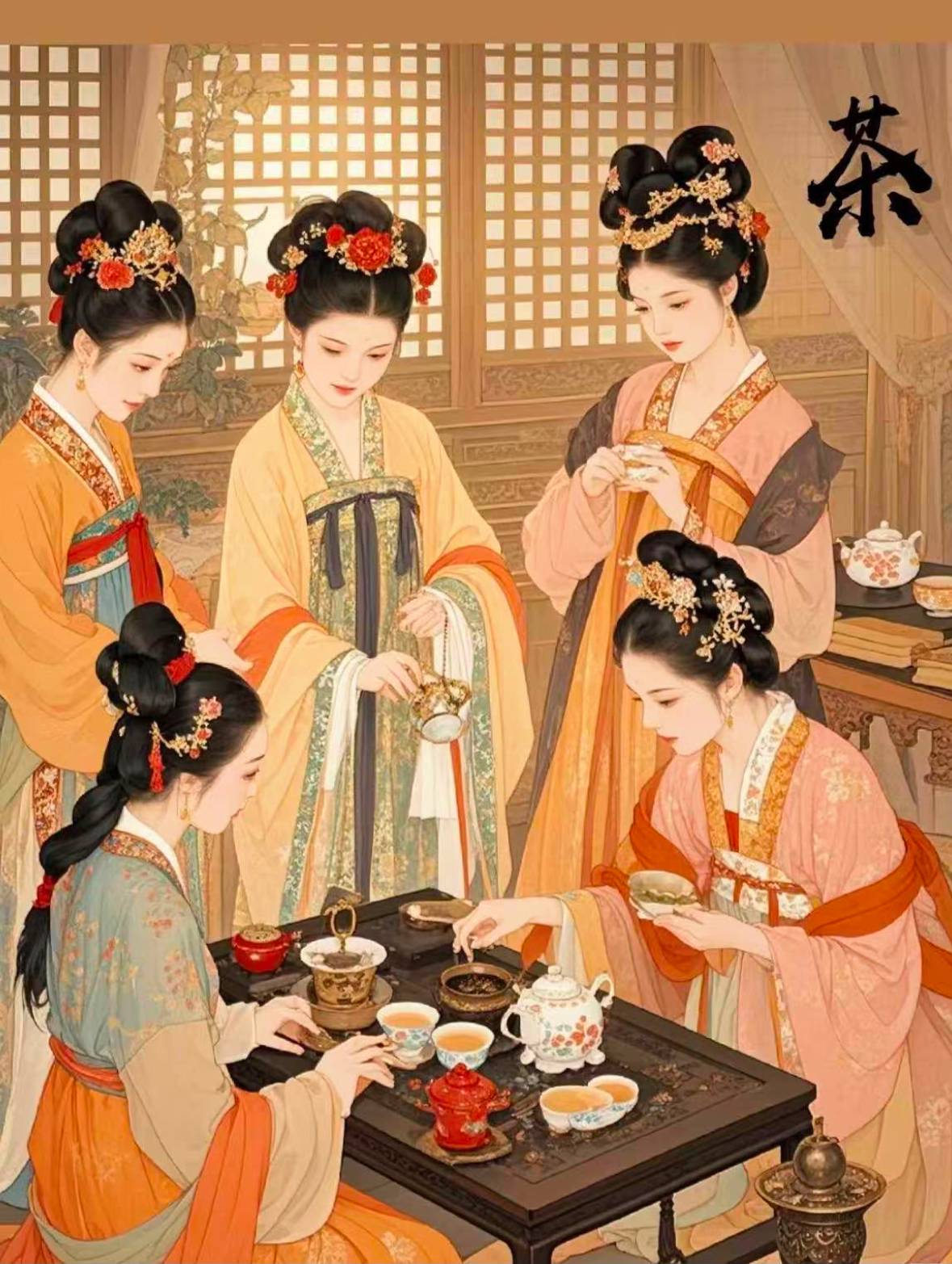
Tea, known since ancient times as the “great drink of the world,” is inextricably linked to the centuries-old history of Chinese civilization. Experience tea culture and feel the unique charm of ancient traditions. Land and coastal trade routes allowed tea to spread throughout the world and find its place on people’s tables in the farthest corners of the globe. The wisdom associated with tea is carefully preserved in tea-drinking traditions and teahouses. Tea parties—refined social gatherings once hosted by ancient masters and thinkers—were typically held in picturesque gardens or elegant tea rooms.
History
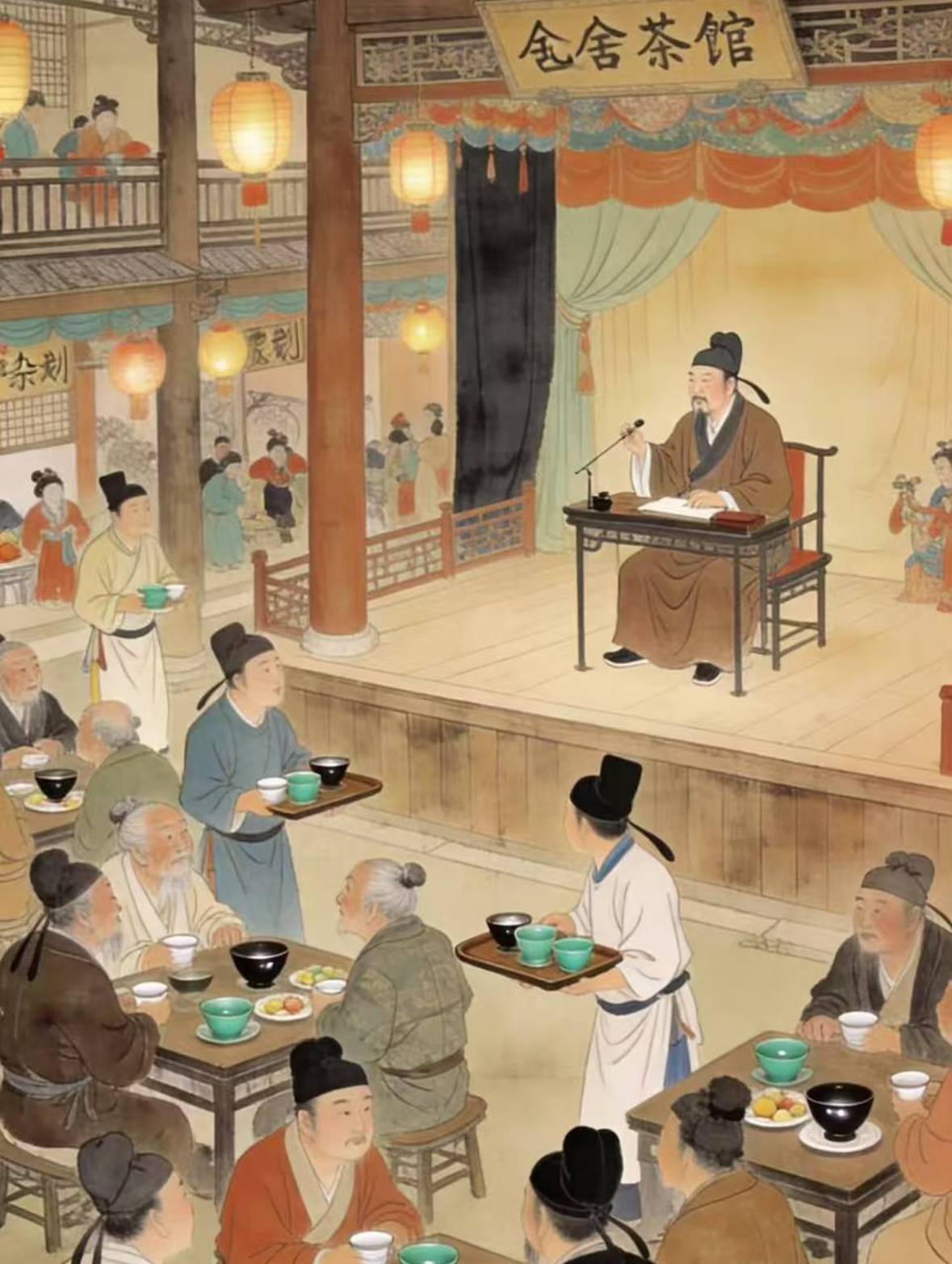
Tea has also left a profound mark on literature: poems and songs celebrating its beauty and the depth of tea culture have spread far and wide and have become an important part of our cultural heritage.
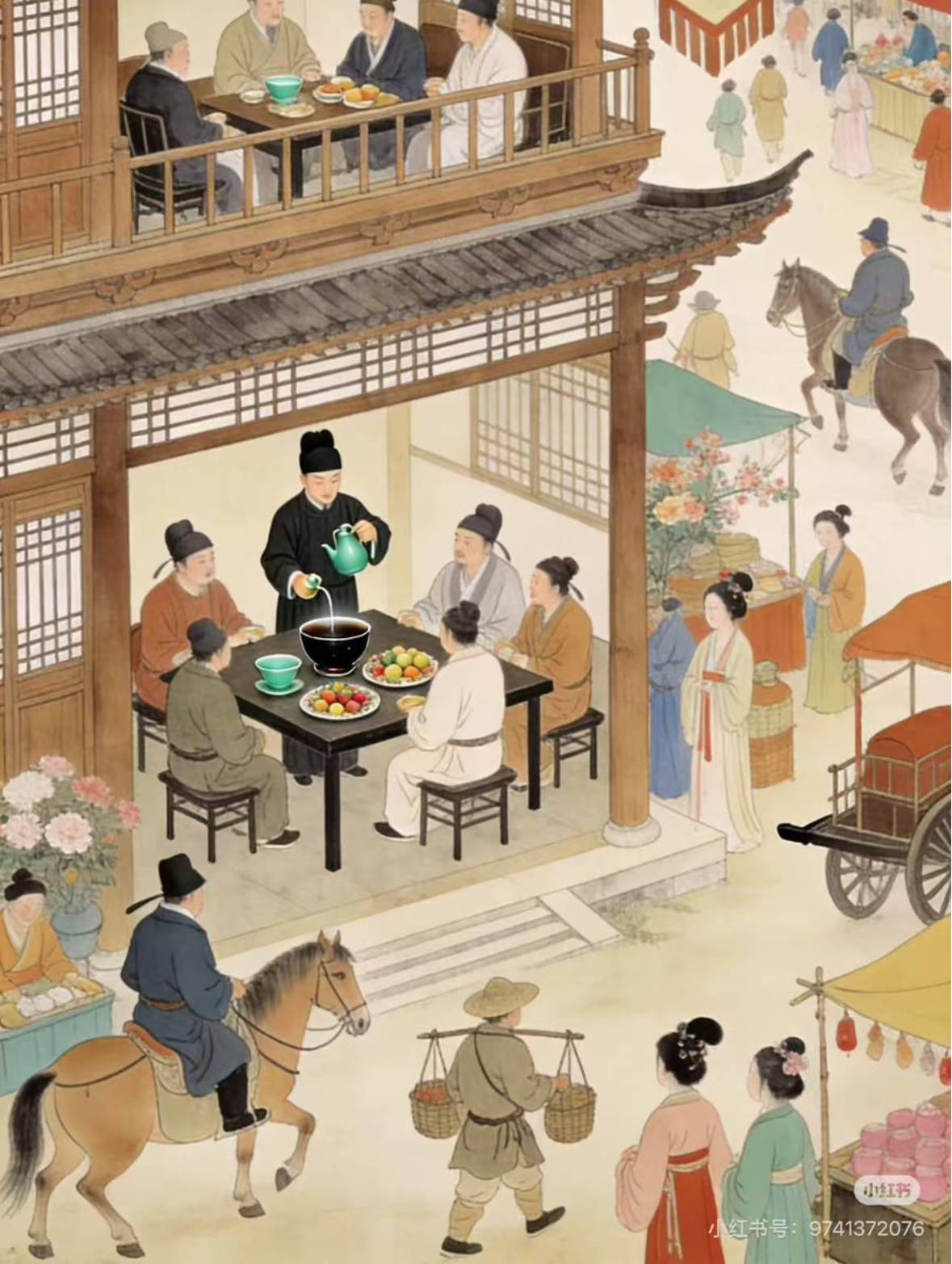
Tea is not just a beverage, but a jewel of China’s millennia-old civilization, the embodiment of Eastern wisdom, a way of life, and an entire spiritual world that reflects the aesthetic tastes and cultural code of the Chinese nation. The health benefits of tea largely align with the principles of traditional Chinese medicine, making it an ideal means of maintaining well-being and further reinforcing its high cultural status.
The Health Benefits of Tea
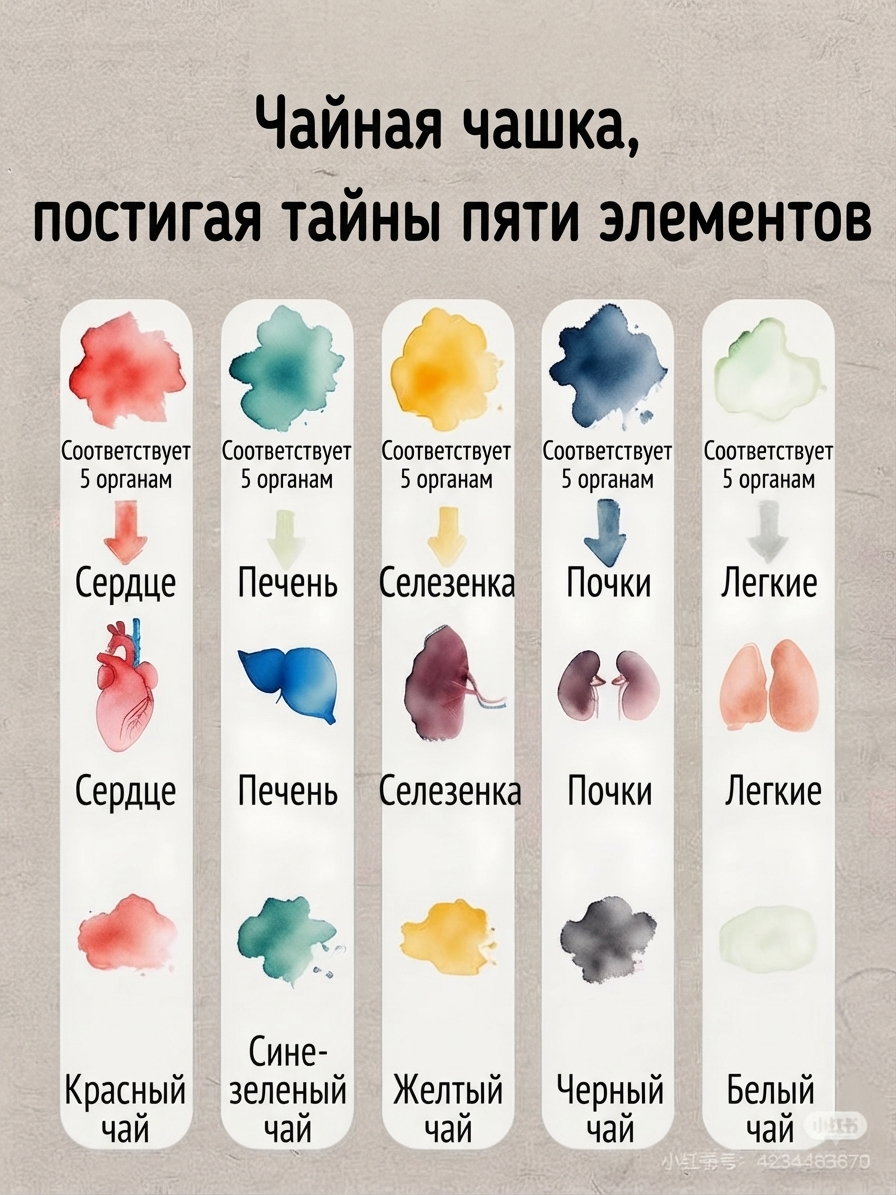
The combination of tea and good fortune is, in fact, a form of wisdom that unites traditional culture, psychological knowledge, and the aesthetics of life. It is not superstition, but rather a way of attuning the body and mind with every cup of tea you drink.
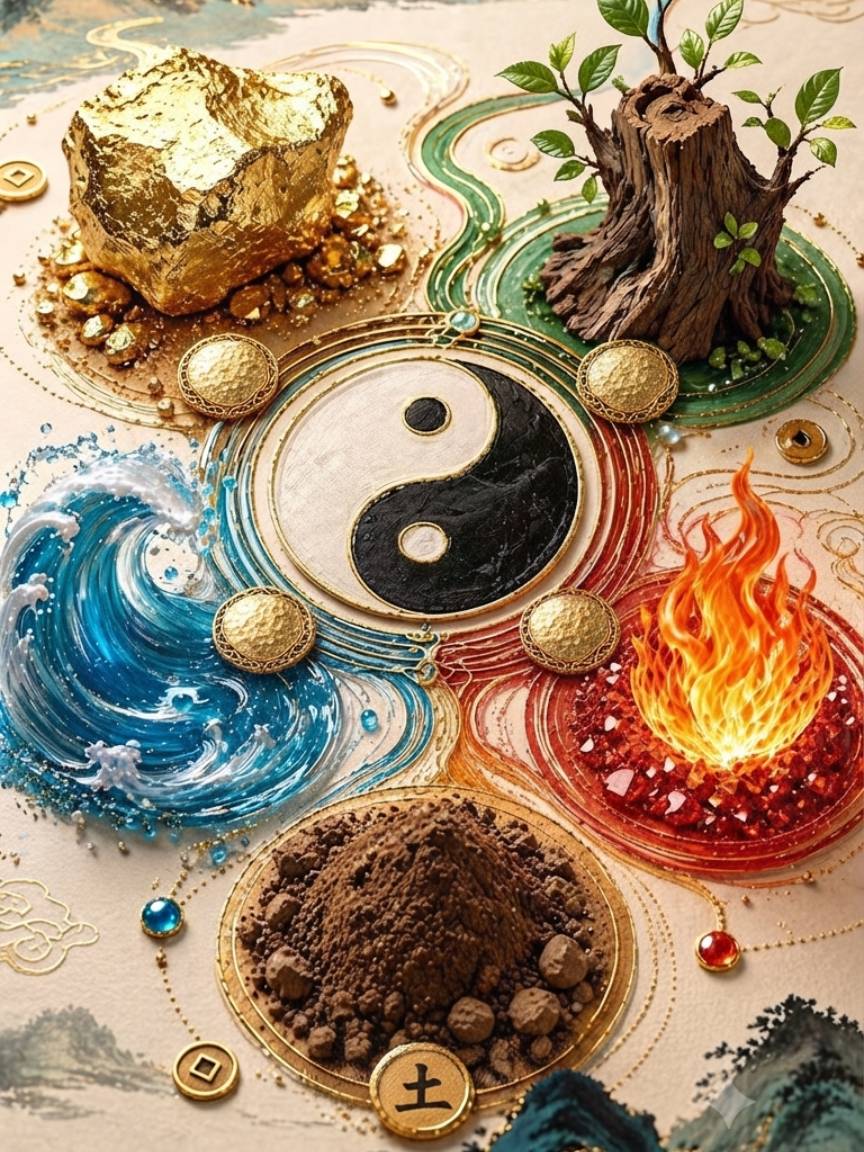
In traditional Chinese philosophy, everything is governed by the law of the five elements (wuxing), and tea is no exception. By choosing a tea that matches your current state, you bring your body and mind into balance and harmony—which, in this day and age, is true “good fortune.”
The five elements are closely linked to tea:
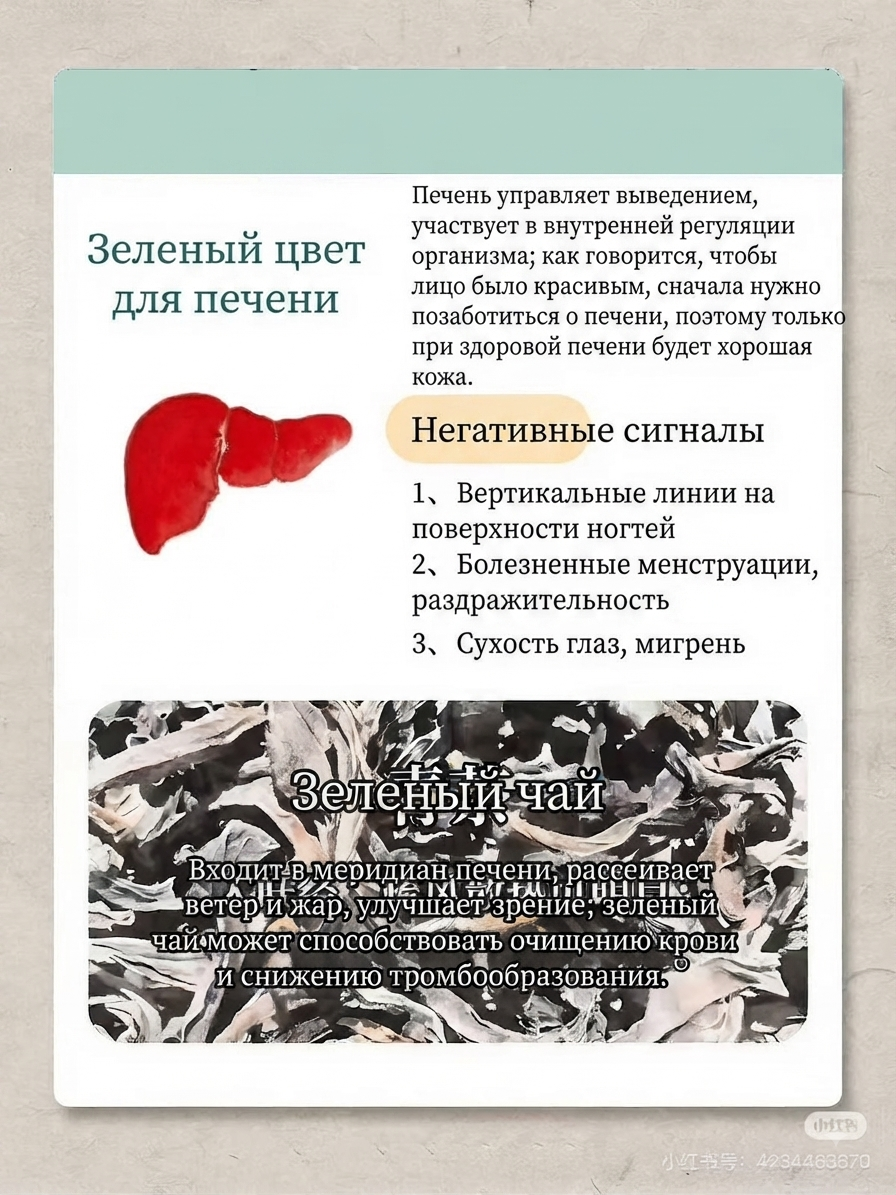
Green tea (Wood) helps invigorate the mind and successfully launch any new endeavors.
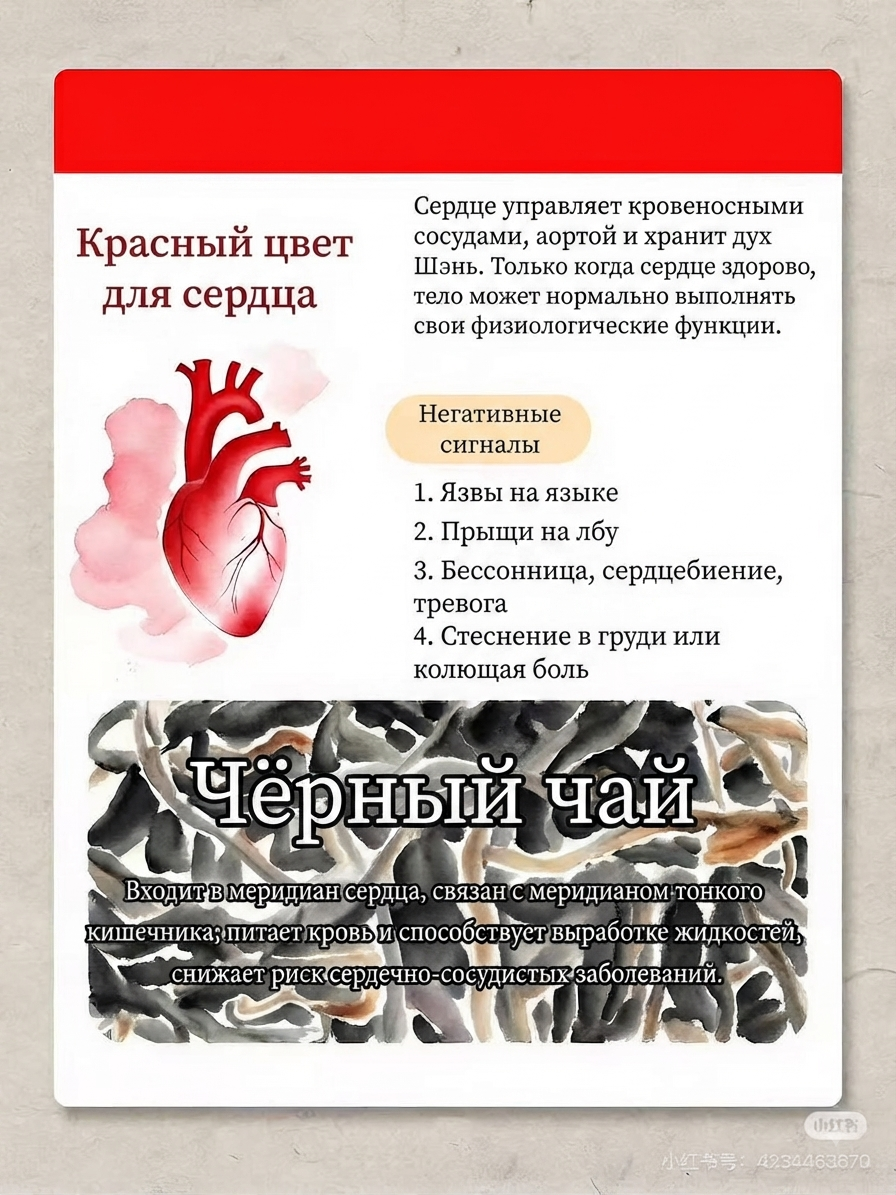
Red tea (Fire) supports the heart and inner energy, expands your network of connections, and helps you seize opportunities. (Note: In the Chinese tradition, black tea—as classified in Europe—is called red tea.)
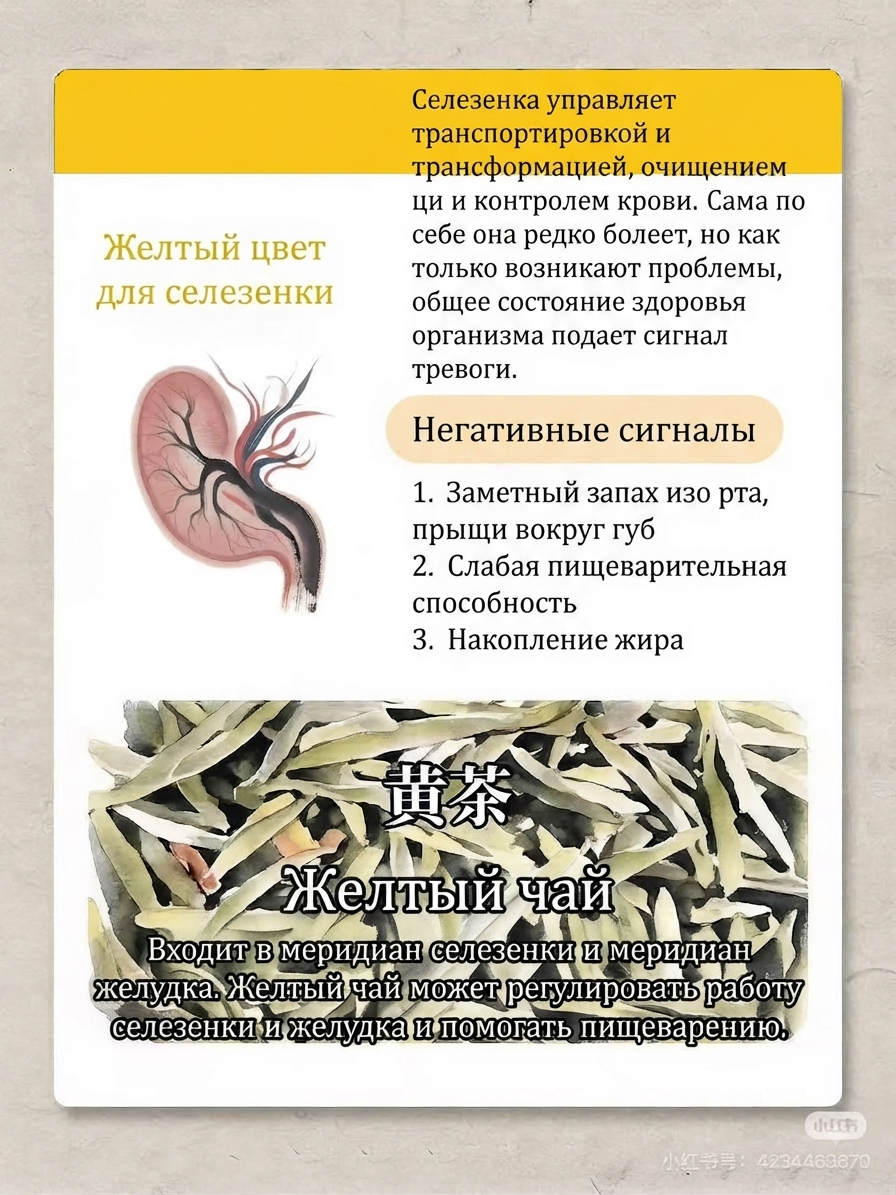
Yellow tea (Earth) strengthens the stomach, creates a solid financial foundation, and attracts material prosperity.
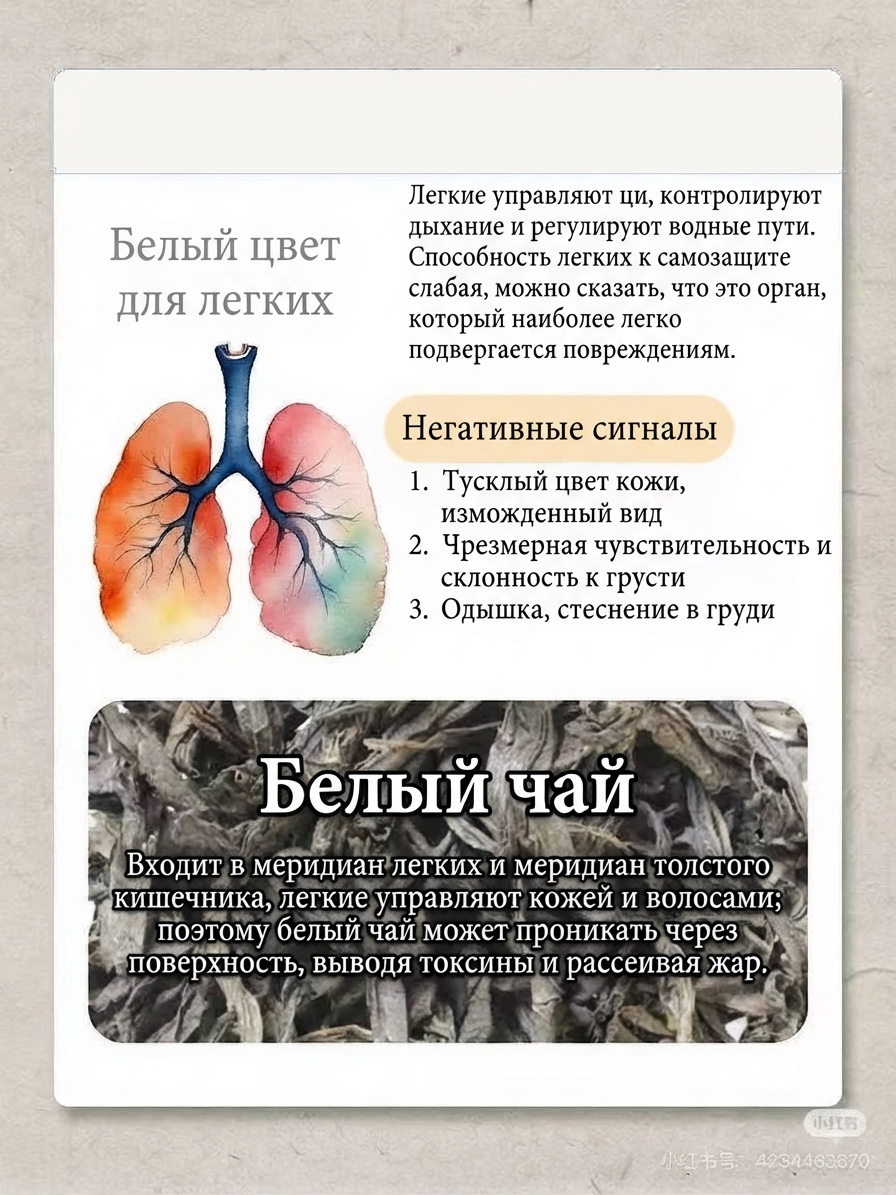
White tea (Metal) soothes the lungs, makes thoughts clear and decisive, and helps you precisely define your life’s direction.
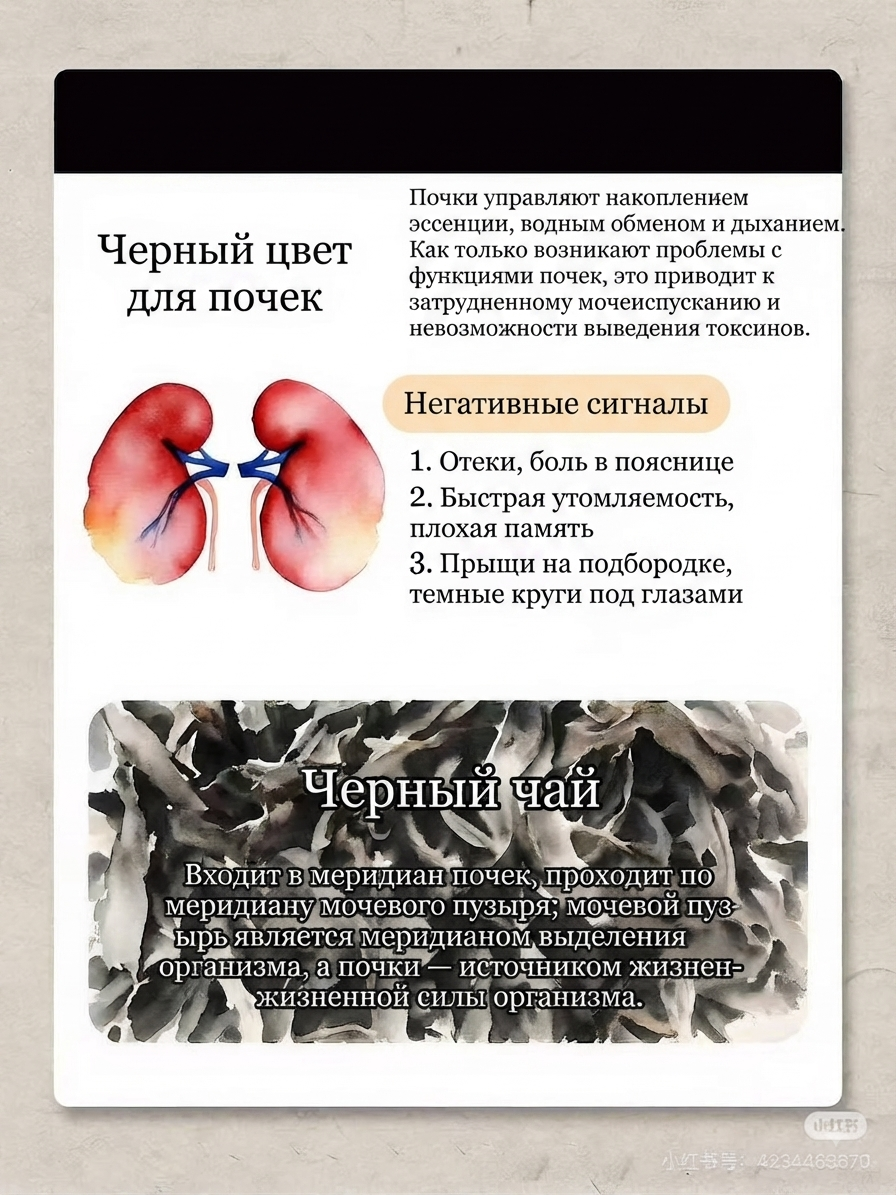
Black tea / Pu-erh (Water) nourishes the kidneys and provides the inner calm necessary for solving complex problems.
The path to a successful life begins with small steps. The secret to a “successful” tea ceremony lies in your state of mind: you should drink tea not out of superstition, but for the sake of inner balance. When the mind is calm, the right people and well-being come naturally, and the ultimate goal of this practice remains the harmony of body and spirit.
Online Shop
Reviews
It perfectly captures the atmosphere of modern Asian minimalism. A sleek gray interior, subdued lighting, and the distinct feeling that the city’s hustle and bustle has been left behind in some parallel reality. The perfect place for unhurried business meetings and deep conversations over a cup of authentic oolong tea.
It’s rare to find a place where refined simplicity is combined with impeccable service. I ordered a Gongfu tea ceremony here on the master’s recommendation: every detail—from the texture of the bowl to the water temperature—was thought out to perfection. Stylish, sophisticated, and atmospheric.
The textured wood and the aroma of high-quality pu-erh tea create an incredible visual and mental balance. A true oasis of tranquility within a dark aesthetic. Nothing superfluous—just the pure taste of tea and a space designed with precision down to the centimeter.
Our Contacts
info@qilin-teahouse.com
+971-52-52-02-188
P4, Marina Terrace
Dubai Marina, Dubai, UAE